
Cutting costs without losing quality is possible with smart planning and efficient resource management. Businesses can reduce unnecessary expenses, streamline processes, negotiate better deals with suppliers, and adopt cost-effective technology. By focusing on productivity and eliminating waste, organizations can save money while maintaining high-quality products and services that keep customers satisfied.
6 Ways Businesses Can Cut Costs While Maintaining Quality And Service

Prices have surged 23% since February 2020, around the time that the COVID pandemic began, according to the National Bureau of Economic Research. Inflation spiked at 9.1% in June 2022 and slowly went downward since then. It was not until last July that inflation slipped below 3% and bottomed out at 2.4% in September. However, inflation has increased every month since then and went back up to 3% in January.

Labor Costs
The Bureau of Labor Statistics’ The Employment Cost Index (ECI), includes both the cost of wages and salaries and the cost of benefits, measures the change in the hourly labor cost to employers over time. The ECI released on Jan. 31, reported that compensation costs increased 0.9 percent for civilian workers, seasonally adjusted, from September 2024 to December 2024.
Commercial Rent Costs
In real estate markets, such as New York, office rents have shown modest growth, with asking rents increasing nearly 2% by the end of the third quarter of 2024, despite the post-pandemic rise in vacancy rates, according to NewYorkOffices.com. In some markets, small business owners may have the opportunity to renegotiate their commercial leases.
Insurance Costs
There is likely little that business owners can do to lower their insurance costs in 2025. Obvious factors are the rising costs of healthcare, litigation costs, and substantial payouts that insurance companies will have to pay in places like California (wildfires), Florida and North Carolina (hurricanes).
Fuel Costs
Fuel prices have trended upwards over the past few years, spiking in June 2022, when the average price of gas was $5.19 a gallon, according to the U.S. Energy Information Administration. They have been trending downward since last April, and with Trump’s pro-business policies, we could see a further decline in gasoline prices if the U.S. increases its production.
Production Costs
We still don’t know the impact of President Trump’s proposed tariffs. Mexico and Canada were able to negotiate and delay the imposition of tariffs, but China has been hit. The president is looking to impose reciprocal tariffs on other foreign countries that he says place higher tariffs on American-made goods than we impose on theirs.
Why your old tools aren’t working anymore
10 Tips to Restore Your Old Tools
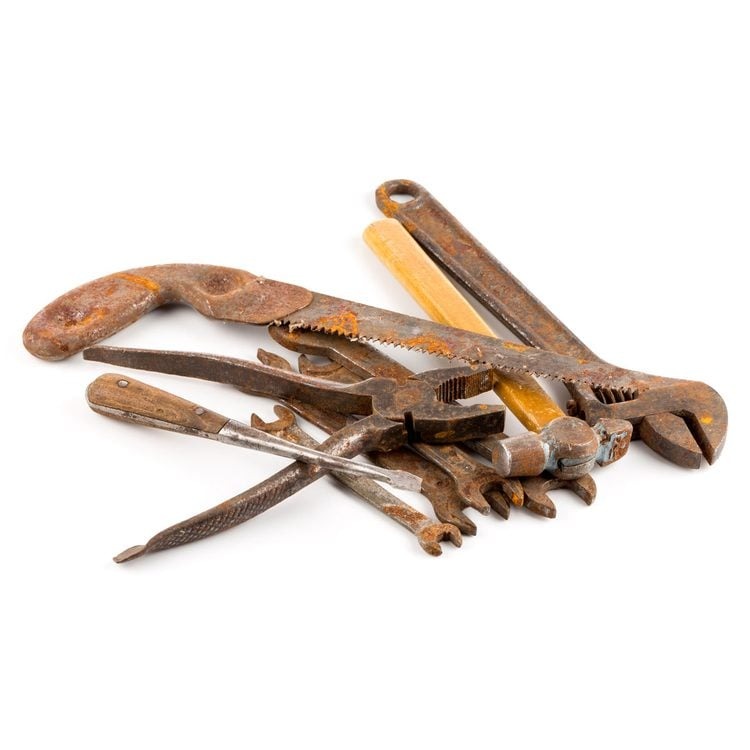
Hammers, wrenches and other fully or partially metal hand tools are bound to form rust over time, especially if they’ve seen a lot of use. Get your rusty old hand tools looking great again by submerging them in vinegar overnight to begin dissolving the coating of oxidized metal.
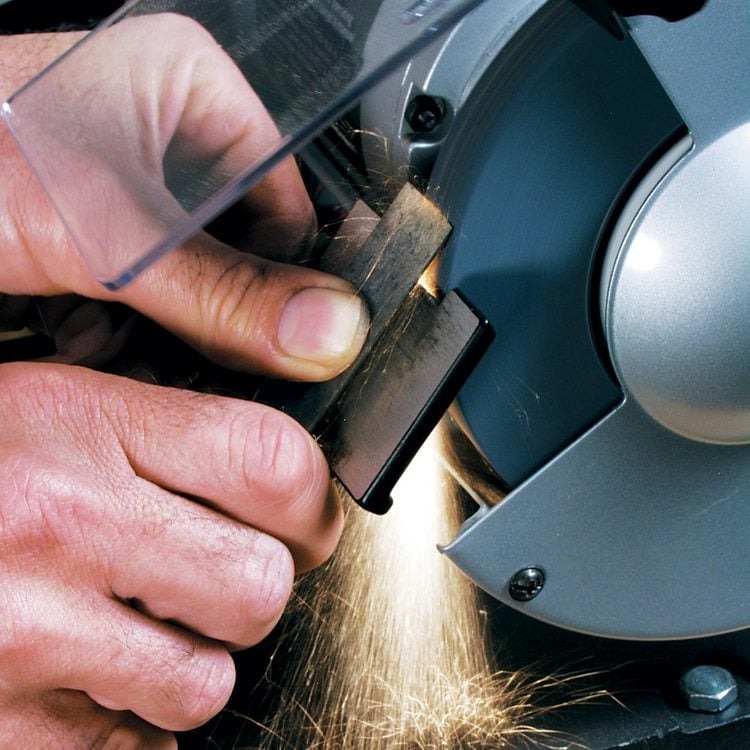
Old chisels and other cutting tools won’t stay sharp forever, but they can cut as good as new again after a proper sharpening. The best sharpening method I know of makes use of a bench top grinder outfitted with a hard, felt buffing wheel.
Hold the beveled edge of the tool tangent to the wheel, carefully buffing it down to a fine, razor-sharp edge. Done correctly, this method can get your chisels sharper than when they were new.
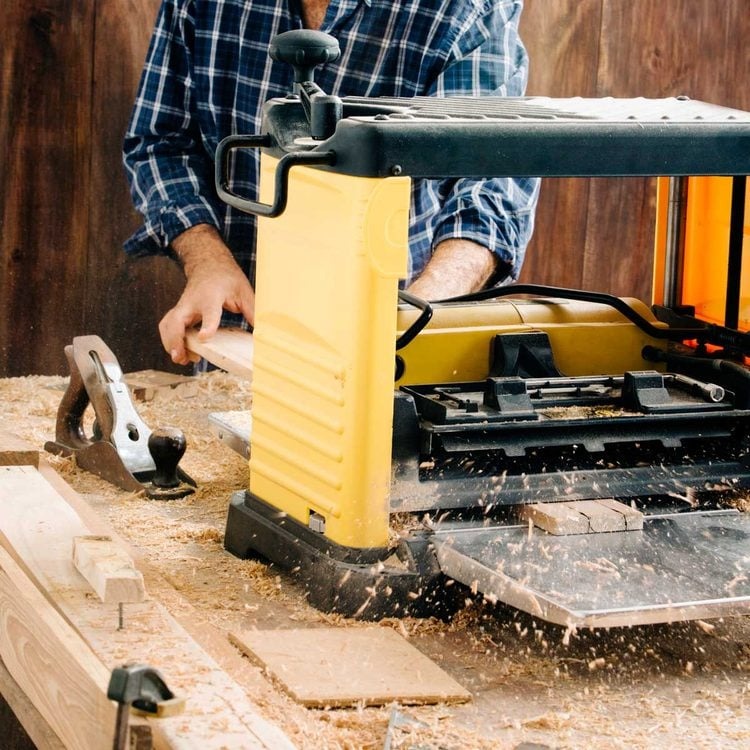
Start by raising the planer as high as it will go. Then rub some paste wax over the bed of the tool. Use a clean shop cloth to ensure full, even coverage. The wax will help wood feed through the planer smoothly again. Then remove the top of the tool, loosen the bolts holding one of the blades to the cutter head, and shift that blade slightly to one side. This will fix the ridge problem and get your planer blades cutting smoothly again.
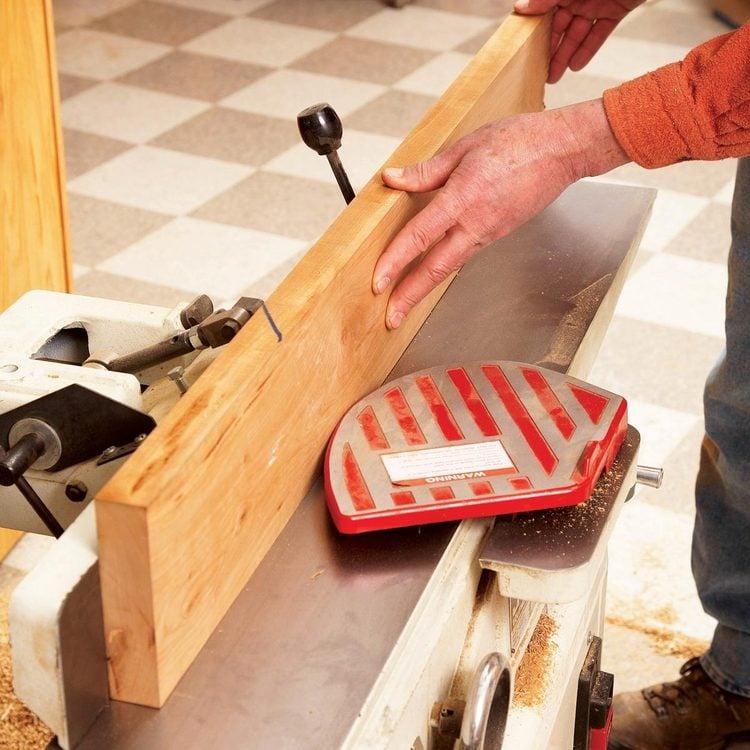
If your jointer isn’t cutting properly, the blades are probably the problem. Unplug the jointer, then retract the guard and remove the bolts holding the blades in place. Purchase new, matching blades, if needed, and then install them in the cutter head.
The trick to great jointer performance is making sure the blades are all the same height in the cutter head, within a few thousandths of an inch. Achieve this by laying a straight piece of wood over the blades, then rotating the cutter head until the first blade touches the wood. Mark that spot on the wood with a sharp pencil. Then mark the wood again at the point where the blade leaves the wood,
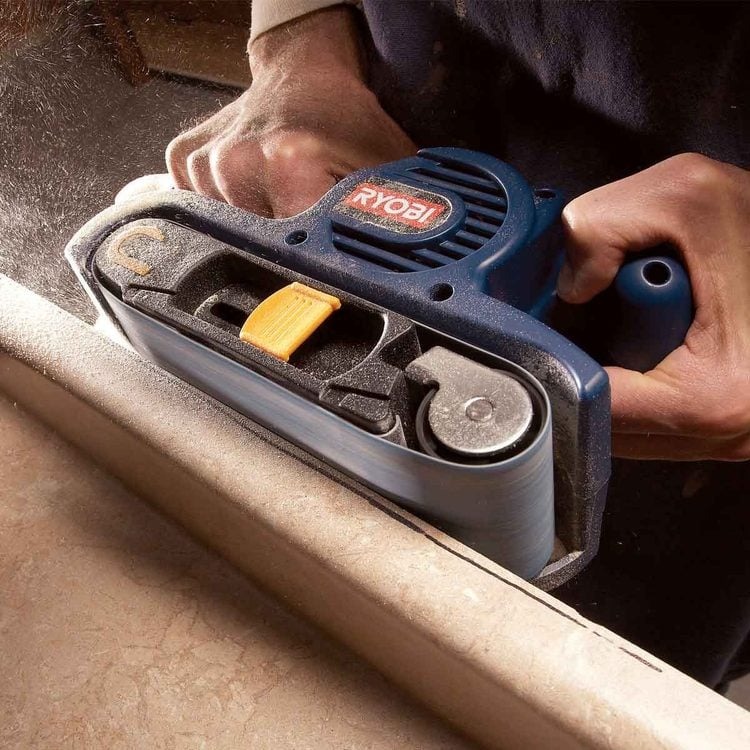
If your belt sander that isn’t taking off wood like it used to, don’t be too quick to replace the belt. Chances are it still has some life left. A block of crepe rubber is the best way to find out for sure.
Turn on the sander and press the crepe block firmly against the belt for several seconds. Move the block over the full width of the belt as it runs. That will unclog all the fine wood dust trapped in the belt’s abrasive, allowing it to sand like new again.
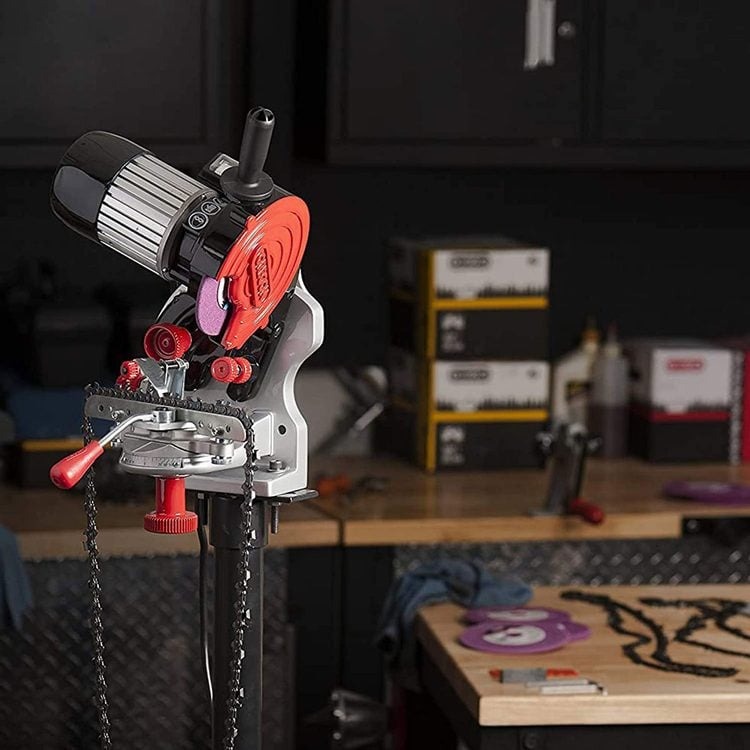
If you spend much time around chainsaws, you know how quickly they get dull. Instead of struggling with a file for hours, consider investing in and learning to use an electric chain sharpener. Properly adjusted, these can make your chain even sharper than when it was new, and in a fraction of the time you’d spend achieving less impressive results by hand.
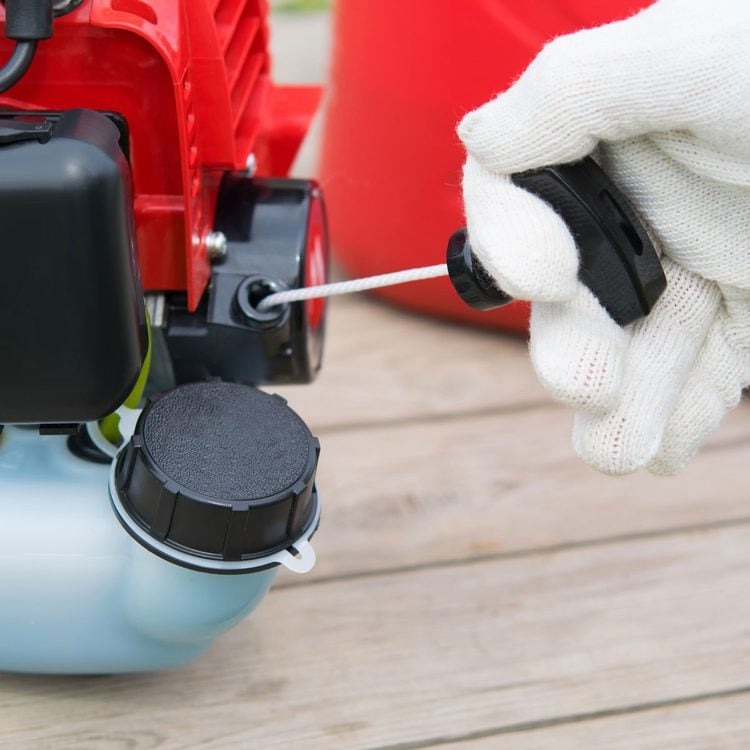
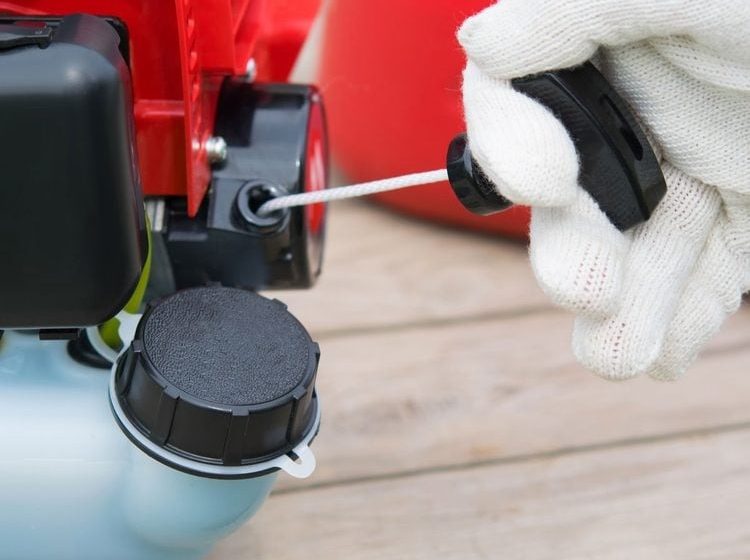
If you’ve got an old tool with a worn or frayed pull cord, chances are it will eventually break. You can keep using it until this happens, or install a new pull cord before you have to.
Buy a spool of pull cord rope of the same diameter as the old cord, then remove the recoil starter from your tool. Cut the old pull cord and remove it. Then thread the end of the new cord into the pull handle, knotting it securely. Rewind the return spring, winding the new cord up until the spool is full. Cut the other end of the cord off the spool and knot it securely into the handle.
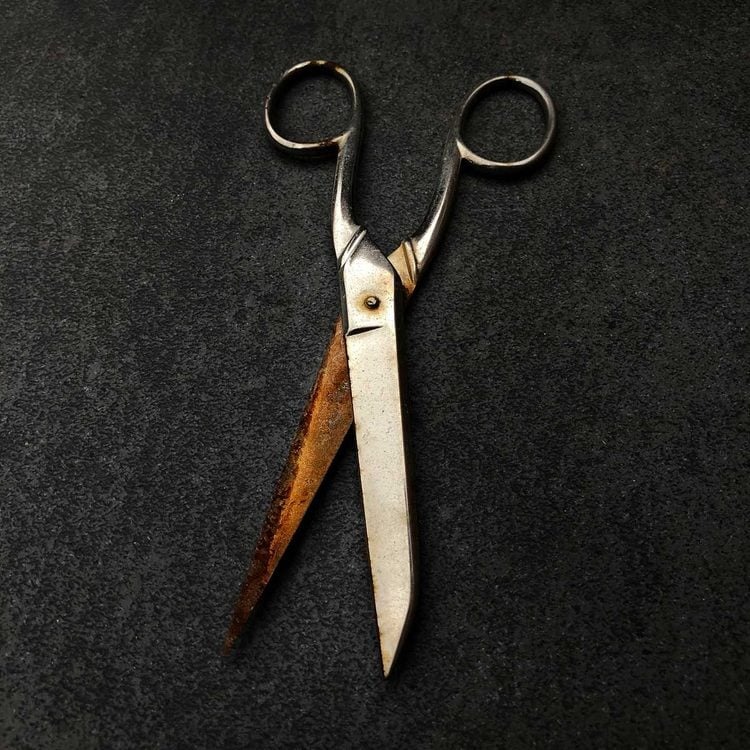
Remove the bolt holding the scissor blades together and examine the inside face of both blades. If there’s evidence of rust, the bolt or washers probably aren’t made of stainless steel. Sand the area with fine-grit sandpaper, removing all the rust. Dribble a little light machine oil into the area and replace the washers. Reassemble the scissors and open and close them several times to work in the oil. Chances are they’ll cut well again for a long time to come.
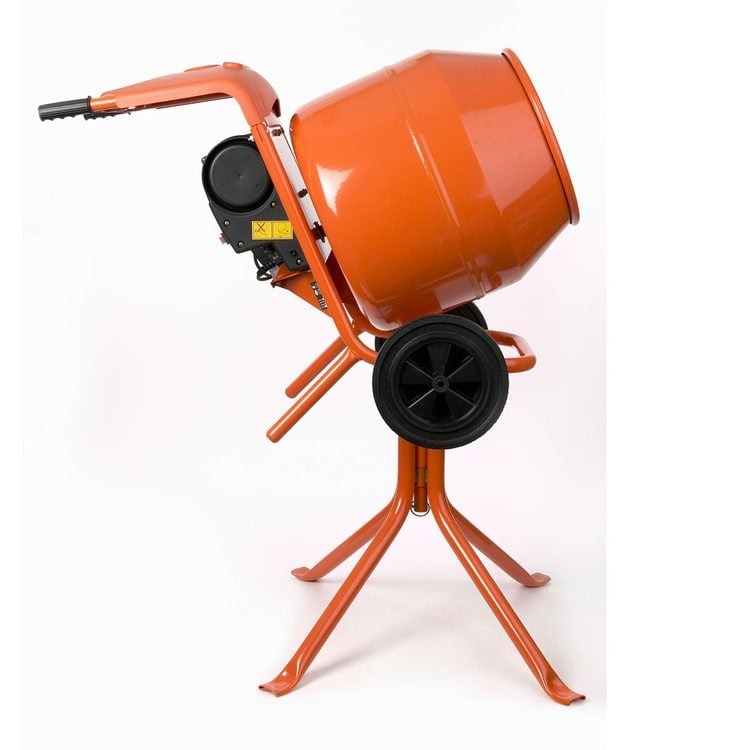
Portable cement mixers usually have steel fins inside their drums to help mix concrete and mortar ingredients. Old mixers almost always have bits of hardened crud inside from years of use and improper cleaning.
With the mixer unplugged and eye protection on, reach inside with a masonry hammer and chisel — or an air hammer if you have one — and chip away at the hardened deposits. Keep working until all the unwanted material is gone. Your cement mixer will mix like new again.
Conclusion
Cutting costs without losing quality requires careful planning and smart decision-making. By reducing waste, improving efficiency, using technology effectively, and managing expenses wisely, businesses can lower costs while maintaining high standards. These strategies help increase profitability, enhance customer satisfaction, and support long-term business growth.