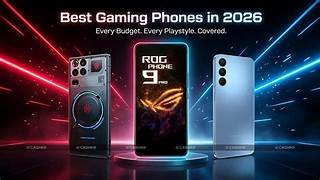

Best ways to pick a new phone in 2026 start with understanding your personal needs, budget, and preferred features. With rapid advancements in smartphone technology, there are more options available than ever before. Before making a purchase, it is important to compare performance, camera quality, battery life, display features, storage capacity, and software support. You should also consider how long the manufacturer provides security updates and whether the phone offers good value for money. By carefully evaluating these factors, you can choose a smartphone that meets your requirements and remains reliable for years to come. Additionally, reading expert reviews and user feedback can help you make a more informed decision and avoid common buying mistakes.
choose best Phone before Buying 2026
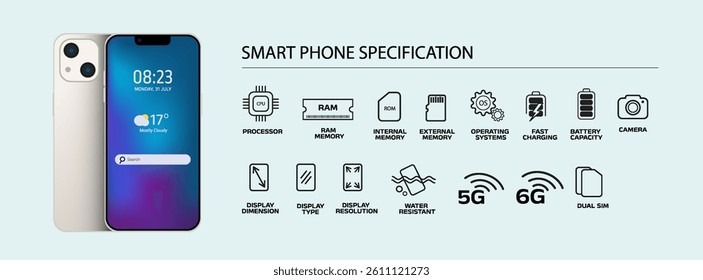
RAM directly impacts how smoothly your phone handles multitasking and demanding applications:
- 4GB RAM – Suitable for light use, basic apps, and web browsing
- 6-8GB RAM – Ideal for everyday use and multitasking
- 12-16GB RAM – Essential for power users, creatives, and productivity-focused professionals
AI Integration: The Game-Changer
Best ways to pick a new phone in 2026 Artificial intelligence has become the defining feature of 2026 smartphones. Leading devices now offer AI-powered tools that enhance photography, optimize battery life, and streamline daily tasks. The Google Pixel 10 Pro stands out with its Gemini AI integration, while flagship Android and iPhone models include comprehensive AI features across their ecosystems.
Display Technology
Modern smartphone displays offer varying technologies, each with distinct advantages:
- AMOLED displays deliver superior color accuracy and deep blacks
- 120Hz or ProMotion refresh rates provide smooth scrolling and gaming experiences
- High brightness (1000-2000 nits) ensures excellent visibility in direct sunlight
Camera Performance
Camera systems have become increasingly sophisticated. Look for phones featuring:
- Multiple rear lenses for versatility (ultra-wide, telephoto, macro)
- Advanced computational photography powered by AI
- High megapixel counts (50MP+) for detailed photos
- Optical zoom capabilities (up to 100x on flagship models)
- Improved night mode for low-light photography
Battery Life and Charging
Battery endurance varies significantly across models. Premium devices now deliver 24+ hours of typical use, with some flagship phones achieving 30+ hours of talk time. Fast charging speeds range from 30W on budget models to 68W+ on premium devices.
Best Smartphones by Category
Best Overall: Google Pixel 10 Pro
Price: $749
The Google Pixel 10 Pro represents the best balance of price, performance, and innovation. This device features a 6.3-inch Super Actua display, 16GB RAM, and runs Android 16 with seamless Gemini AI integration. The triple camera system excels at computational photography, while the Tensor G5 processor delivers reliable all-day performance. It’s the ideal choice for users seeking a premium experience without flagship pricing.
Best Budget Phone: Samsung Galaxy A16 5G
Price: $199.99
For budget-conscious shoppers, the Samsung Galaxy A16 5G delivers exceptional value. Its 6.7-inch AMOLED display rivals phones costing twice as much, while the triple camera system provides versatile shooting options. With 128GB expandable storage and 27 hours of talk time, this phone proves you don’t need to spend heavily to get modern features. Samsung’s promise of six years of software updates adds long-term value.
Best for Power Users: Samsung Galaxy S25 Ultra
Price: $1,299
The Samsung Galaxy S25 Ultra is the ultimate flagship for professionals and enthusiasts. Its 6.9-inch bright display, Snapdragon 8 Elite processor, and 200MP camera with 100x zoom make it the most capable smartphone available. The included S Pen transforms it into a productivity powerhouse for note-taking and document signing. This is the choice for multitaskers and creative professionals.
Best for Students and Creatives: Motorola Moto G Stylus 5G
Price: $199.99
Best ways to pick a new phone in 2026 Students and creative professionals will appreciate the Moto G Stylus 5G, which combines affordability with practical features. The built-in stylus enables note-taking and digital drawing without premium pricing. With 8GB RAM, a 50MP camera, and 24+ hours of battery life, it handles schoolwork and creative projects efficiently while remaining accessible.
Best Affordable Premium Option: Google Pixel 9a Best ways to pick a new phone in 2026
Price: Under $400
The Google Pixel 9a proves premium experiences don’t require premium prices. This device features a sleek redesign, an upgraded main camera, and Gemini AI built-in. The bright display, excellent battery life, and seven years of security updates make it an outstanding value for anyone wanting a quality Android phone without flagship costs.
Best iPhone Option: iPhone 16
Price: $699
For iPhone buyers seeking value, the iPhone 16 remains an excellent choice. Its 6.1-inch display with Dynamic Island, dual rear cameras, and A18 processor deliver Apple’s signature quality. With Apple Intelligence support and all-day battery life, it’s perfect for users planning long-term ownership of an iOS device.
iOS vs Android: Which Platform Suits You?
Choose Android If You Prefer:
- Customization options and flexibility
- Diverse price points across manufacturers
- Advanced AI features on Google Pixel devices
- File management and sideloading capabilities
- Expandable storage on select models
Choose iOS If You Prefer:
- Seamless ecosystem integration across Apple devices
- Consistent software updates and longevity
- Strong privacy protections
- Exclusive apps and services
- Premium build quality and design consistency
Budget Considerations: New vs. Last Year’s Models
Best ways to pick a new phone in 2026 The smartphone market offers compelling opportunities through last year’s models. Devices like the iPhone 16 and previous-generation Pixels deliver excellent performance at reduced prices. Phone sales on older flagships often provide better value than new budget models, offering superior cameras, processors, and build quality for comparable pricing.
Software Support: A Critical Factor
Best ways to pick a new phone in 2026 Long-term value depends heavily on software support. Premium devices typically receive 5-7 years of updates:
- Google Pixel phones – 7 years of security updates
- Samsung Galaxy – Up to 6 years on mid-range; 5+ years on flagships
- iPhone – 5-7 years of iOS updates
This extended support ensures your phone remains secure and feature-rich for years after purchase.
Making Your Final Decision
For Best Overall Value
Choose the Google Pixel 10 Pro – it balances performance, camera quality, AI capabilities, and battery life at a reasonable price point in 2026
For Absolute Budget Consciousness
The Samsung Galaxy A16 5G delivers modern features, a beautiful display, and reliable performance for under $200.
For Maximum Capability
The Samsung Galaxy S25 Ultra offers every feature imaginable, from advanced cameras to productivity tools, justifying its premium price for power users.
For Apple Ecosystem Users
The iPhone 16 provides excellent value compared to newer Pro models while maintaining Apple’s quality standards and long-term support.
For Students and Budget-Conscious Creatives
The Moto G Stylus 5G combines practical features like a built-in stylus with affordability that respects student budgets.
As a result, users commonly face issues such as:
- Rapid battery drain due to continuous background processes
- Increased mobile data usage from silent syncing or ad loading
- Slower overall performance despite having high RAM
- Greater privacy risks from unnecessary tracking
10 Hidden Smartphone Features You Probably Aren’t Using (But Should) Best ways for a new phone in 2026
1) Turn the back of your phone into a shortcut button (Back Tap / Quick Tap)
What it is & why it’s great
Double- or triple-tapping the back of your phone can trigger useful actions—take a screenshot, open the camera, toggle the flashlight, show notifications, or run a custom shortcut. It’s a fast, eyes-off way to reach frequent actions.
Requirements & low-cost alternatives
- Works on many modern iPhones (Back Tap) and Pixel phones (Quick Tap).
- If your model doesn’t support back-tap gestures, use on-screen gestures (e.g., a quick settings tile or shortcut widget) to reach the same actions.
2) Ditch the scanner—use your phone’s built-in document scan
What it is & why it’s great
Your phone can scan multi-page documents into crisp PDFs, straighten edges, remove shadows, and auto-detect pages. Perfect for receipts, forms, homework, or ID copies.
Requirements & low-cost alternatives
- On iPhone, the Notes app includes a native Scan Documents tool.
- On Android, the Google Drive app can scan to PDF (and often ships pre-installed).
- If you want editing extras (stamps, OCR to text), your built-in tool plus a cloud editor often suffices.
3) Copy, translate, or call text straight from your camera (Live Text / Lens)
What it is & why it’s great
Your camera can “see” text on menus, signs, business cards, and invoices—then copy, call phone numbers, translate phrases, or open links. It’s instant OCR for real life.
Requirements & low-cost alternatives
- On iPhone, use Live Text in the Camera or Photos.
- On Android (and iPhone too), Lens in Google app/Photos can copy/translate text.
- Offline translation may require language packs; otherwise, it uses data.
4) Make big screens easy with One-handed mode (Reachability / One-handed)
What it is & why it’s great
Phones got taller; thumbs did not. One-handed options temporarily lower the UI so your thumb can reach the top rows and buttons—great for quick replies or map searches while your other hand is busy.
Requirements & low-cost alternatives
- iPhone offers Reachability.
- Many Android phones include One-handed mode (Android 12+ on many models).
- If unavailable, use custom launchers or enable larger icons/layouts for reach.
5) See spoken audio as text—everywhere (Live Captions)
What it is & why it’s great
Live Captions transform speech into on-screen text across apps—videos, podcasts, phone/video calls, and voice messages. It’s a huge help in noisy places, for accessibility, or when you can’t play audio aloud.
Requirements & low-cost alternatives
- Available on many Android phones (often a volume-panel toggle).
- Available on recent iPhones in Accessibility settings.
- If your model doesn’t support it, try captions in the specific app (e.g., YouTube subtitles).
6) Let your phone “listen” for doorbells, alarms, and more (Sound Recognition / Sound Notifications)
What it is & why it’s great
Your phone can alert you to important sounds—doorbells, smoke alarms, sirens, a baby crying, running water—by displaying notifications, vibrating, or flashing. It’s an accessibility feature that adds peace of mind for everyone.
Requirements & low-cost alternatives
- Works on most modern iPhones and many Android phones via built-in tools.
- If not present, specialized apps and wearables can provide similar alerts.
7) Share Wi-Fi in seconds (QR & Guided share)
What it is & why it’s great
Forget spelling out your 24-character passphrase. Your phone can share Wi-Fi securely—either by generating a QR code others can scan or by sending the password directly to a nearby device.
Requirements & low-cost alternatives
- Most modern Android phones can generate a Wi-Fi QR code in Settings.
- Many iPhones can share Wi-Fi to nearby Apple devices or reveal the password for copying; for cross-platform guests, show a QR code generated by an app or shortcut.
8) A lifeline on your lock screen: Emergency SOS
What it is & why it’s great
Emergency features can call or text emergency services, share your location with trusted contacts, and—on supported models—even connect via satellite when there’s no cellular or Wi-Fi coverage. Some devices also include fall or crash detection.
Requirements & low-cost alternatives
- Check your phone’s Safety/Emergency settings; availability varies by model and region.
- If your device lacks advanced features, set up ICE (In-Case-of-Emergency) info in Contacts and keep local emergency numbers saved.
9) Turn your phone into a magnifying glass (Magnifier / Magnification)
What it is & why it’s great
Tiny serial number? Faded label? The Magnifier (iPhone) or Magnification (Android) tools enlarge text and objects, adjust contrast, apply filters, and toggle the flashlight. They’re invaluable for reading fine print in low light.
Requirements & low-cost alternatives
- Magnifier app on iPhone; Magnification in Accessibility on Android.
- If you want persistent large text on screen content, increase system Display size or Font size in settings.
10) Make your phone work for you: Personal automations & routines
What it is & why it’s great
Automations run sequences of actions based on triggers like time of day, location, opening an app, connecting to headphones, or tapping an NFC tag. They can silence your phone at work, send a “leaving now” text, or auto-enable Low Power Mode.
Requirements & low-cost alternatives
- On iPhone, use the Shortcuts app to create Personal Automations.
- On Android, use Routines/Automations via the Google app or Home app (naming varies by device), or set up quick actions in third-party tools if needed.
Conclusion
Best ways to pick a new phone in 2026 requires balancing your budget, performance needs, camera quality, battery life, and software support. Before buying, compare specifications, read user reviews, and consider how you use your phone daily. Prioritize long-term software updates, reliable battery performance, and features that match your lifestyle rather than focusing only on the latest trends. A well-researched decision will help you get the best value and satisfaction from your new smartphone.